
Summer Sewer Smells You Should Never Ignore
Sewer odors hitting you when you walk into your home or business are not normal, even in a hot Fort Myers summer. If you catch a whiff of rotten eggs from a sink, tub, or floor drain, your plumbing is trying to tell you something. Those smells are more than annoying. They can point to real problems in your vent stack, P-traps, sewer line, or septic system.
Many people start with drain cleaners or air fresheners. That might cover things for a day or two, but if the smell keeps coming back, cleaning alone is not fixing the real issue. In some cases, harsh store-bought cleaners can damage pipes and traps, then the smell actually gets worse.
So why do bad odors seem stronger in summer? In our Fort Myers heat, vent stacks heat up, P-traps dry out, and hidden sewer or septic problems start to show. When that happens, you want to know what you are dealing with, and when it becomes a safety concern.
How Fort Myers Heat Supercharges Sewer Odors
Our sun and humidity play a big part in summer sewer smells. As the roof, vent pipes, and upper parts of your plumbing system heat up, the gases inside expand. When those gases have nowhere good to go, they push harder through any weak point they can find.
Here is what is going on behind the scenes:
- High heat warms vent stacks on the roof, so gases in your sewer lines expand and try to move
- If vents or traps are not working right, some of that gas can get pushed back toward the building
- Septic tanks and lines can warm up too, which can make their odors stronger and more noticeable
Summer storms also add to the problem. When a storm rolls in, the air pressure outdoors can change fast. Those pressure swings can briefly reverse the normal airflow in your vent pipes. Instead of pulling fresh air in and letting sewer gas out above the roof, the air can move the wrong direction.
If you notice:
- Odors that seem to appear right before or right after a storm
- Smells that come and go with changes in weather
- Summer-only smells that get stronger each year
then you are probably not dealing with something “normal.” Persistent seasonal odors are often a sign that parts of your plumbing or venting are not working the way they should.
Vent Stack Problems That Push Odors Indoors
Your vent stack is the pipe that sticks up through your roof and connects to your drain system. Its job is simple but very important. It lets air into the plumbing so water and waste can flow smoothly, and it sends sewer gases safely above the roof where they can spread out in the open air.
When the vent stack is blocked or damaged, the whole system feels it. In Fort Myers, we see vent problems like:
- Bird nests, leaves, and debris stopping up the top of the vent
- Corrosion or aging pipes that leak or narrow inside
- Storm or hurricane damage that cracks or knocks vents out of place
- Roof work that accidentally covers, pinches, or fills vents with roofing material
- Vents that were the wrong size or installed the wrong way from the start
These issues can cause signs that many people miss at first, such as:
- Gurgling sounds when a nearby sink, tub, or toilet drains
- Slow drains on upper floors, even after a cleaning
- Sewer smells that seem stronger near the attic or top floor
- Odors that only show up with certain wind directions or during heavy rain
If the vent stack is not breathing correctly, cleaning the drain alone will not stop the smell. The air in the system has to move freely again.
Dry P-Traps, Floor Drains, and That Rotten Egg Smell
Every sink, tub, shower, and many floor drains have a P-trap, that little U-shaped bend in the pipe that holds water. That water acts like a lid, blocking sewer gases from pushing up into your home or business. When the trap goes dry, nothing is stopping those gases from coming right through the drain.
In a Fort Myers summer, traps tend to dry out faster because:
- AC runs for long hours and pulls moisture out of the indoor air
- Guest bathrooms or spare rooms sit unused for weeks
- Vacation homes, rentals, and seasonal properties stay empty
- Heat speeds up evaporation inside the trap
Common “trouble spots” are:
- Guest bathroom sinks, tubs, and showers that no one uses often
- Garage or laundry floor drains that rarely see water
- AC condensate drains and nearby floor drains
- Outdoor kitchen sinks or bar sinks that only get used on weekends
Simple habits like running water in unused fixtures once in a while can help keep traps from drying out. But if you notice a trap that keeps going dry or a floor drain that smells even after flushing it, there could be a deeper issue with venting, line slope, or hidden leaks.
When Sewer Gas Becomes a Health and Safety Risk
Sewer gas is not just one gas. It is a mix. It can include hydrogen sulfide, which often smells like rotten eggs, and methane, which is highly flammable. At low levels, the smell is the first warning sign. At higher levels in tight spaces, it can become unsafe.
Possible effects from breathing sewer gas for a long time can include:
- Headaches or a heavy feeling in the head
- Nausea or an upset stomach
- Burning or irritation in the eyes, nose, or throat
If large amounts of gas build up in a closed space, there can be a risk of asphyxiation or even explosion if something sparks. That is why certain situations should never be ignored, such as:
- Strong sewer smells near electrical panels or equipment rooms
- Heavy odors in basements, crawl spaces, or enclosed storage areas
- Smells that appear right after a big storm or flooding event
- Multiple fixtures smelling bad at the same time across the building
Any of these signs mean it is time to stop guessing and get a professional check of the system right away.
Fixes Beyond Cleaning and Seasonal Maintenance Tips
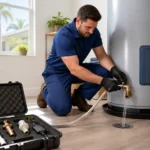
When sewer odors keep coming back, the answer is not more store-bought cleaner. Professional diagnostics look deeper than basic sewer line cleaning in Fort Myers. Plumbers can use tools like camera inspections, smoke tests, and pressure tests to see inside pipes, find hidden breaks, and spot vent or trap problems that you cannot see from the surface.
Depending on what we find, common solutions might include:
- Clearing and repairing blocked or damaged vent stacks
- Resealing or replacing P-traps that are cracked or poorly installed
- Repairing or replacing cracked or sagging drain lines
- Addressing septic system overloading or damaged components
Sewer line cleaning in Fort Myers is still an important part of the picture. Removing grease, buildup, and roots can help lines flow better and stop waste from backing up. But if the pipe is broken, the vent is wrong, or the trap keeps going dry, cleaning alone will not keep the smells away. Structural repair or rerouting is sometimes needed for a lasting fix.
To keep summer smells away, it helps to stay ahead of them. A simple seasonal checklist can include:
- Running water and flushing toilets in any rooms you do not use often
- Pouring water into floor drains now and then to refill the trap
- Looking around for damp spots, staining, or signs of slow leaks
- Paying attention to gurgling sounds or drains that start slowing down
For homes, rentals, condos, and commercial spaces, professional inspections of drain, sewer, and septic systems before or at the start of summer can catch small issues early. Regular maintenance often means fewer emergency visits, less risk of indoor air problems, and better protection against hidden water and sewer damage as the storms roll through Southwest Florida.
Protect Your Home With Expert Sewer Line Cleaning Today
If you are noticing slow drains, recurring clogs, or sewage odors, now is the time to schedule professional sewer line cleaning in Fort Myers. At A+ Plumbing Professionals, we use proven methods and modern equipment to clear buildup before it turns into a costly backup or repair. Our team will inspect your system, explain your options, and provide straightforward pricing so you can make an informed decision. Contact us today to get your sewer line flowing smoothly again.