
Stay Ahead of Storm Season Plumbing Emergencies
Hurricane season in Southwest Florida is part of life, especially around Naples. Storm surge, heavy rain, and power outages can all hit at once, and your plumbing system takes a lot of that stress. Flooded streets, rising canals, and high tides can quickly turn into backed-up toilets, slow drains, and septic trouble inside your home or business.
We cannot control where a storm turns, but we can control how ready your plumbing is before it arrives. A clear game plan with a trusted emergency plumber in Naples can help limit water damage, protect your property, and get you back to normal faster after the clouds move on.
In this guide, we share how hurricanes affect plumbing systems, the steps to take before a storm, what to do during the worst of the weather, and what to watch for after. You will also learn when it is time to bring in an emergency plumber and when small issues may be safe to monitor for a short time.
How Hurricanes Threaten Naples Plumbing Systems
Hurricanes bring a mix of water, wind, and power issues that can all push your plumbing to the edge. Even a well-kept system can struggle when the ground is soaked and streets are flooded.
One big problem is storm surge and tidal flooding. When water from the Gulf and bays pushes inland, it can force seawater and debris into:
- Sewer lines and manholes
- Backflow preventers
- Floor drains and yard drains
- Septic tank inlets and outlets
When city systems are overwhelmed, that pressure can move backward into private lines. That is when people see sewage backing up into tubs, showers, and floor drains, even if they take good care of their plumbing.
Heavy rain adds another layer. After days of rain, the soil around Naples properties can stay fully soaked. That extra weight and pressure around underground pipes and septic drain fields can cause:
- Slow drains across the home
- Toilets that bubble or gurgle
- Septic fields that cannot drain properly
- Shifting or even collapse of weak pipes
Low-lying areas and coastal properties are especially at risk, since the water has fewer places to go and the water table is already high.
Power outages then create their own plumbing problems. When the power is out, well pumps, lift stations, and sewer pumps may not run. That can lead to sewage building up in lines or no water at all from the tap. Pressure changes and damaged water lines from falling trees or ground movement can also affect water quality. After a strong storm, many property owners choose to have a professional do a plumbing inspection and, when needed, arrange for water testing for peace of mind.
Pre-Storm Checklist From a Local Emergency Plumber
The best time to prepare your plumbing for hurricane season is before a storm even has a name. A simple checklist can help you find weak spots early and protect the most important parts of your system.
Start with key components. Before storm season is in full swing, it helps to have a professional inspect:
- Main water shutoff valves
- Sump pumps or lift pumps, where installed
- Backflow preventers and check valves
- Main sewer line and cleanouts
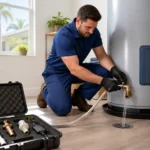
Outdoor equipment needs attention too. Items like well pumps, exterior water heaters, and backflow devices are often installed at ground level. Securing or raising them where possible can help protect them from shallow flooding and flying debris.
Next, focus on where storm water will try to go. Roof gutters, downspouts, yard drains, and driveway drains should be cleared of leaves, mulch, and sand. If these drains are clogged, water can:
- Pool around the foundation
- Flow into sewer cleanouts and overwhelm your line
- Seep into garages or low entry doors
Clearing these areas ahead of time makes it easier for heavy rain to move away from the building instead of into it.
Finally, make a simple emergency plumbing plan. Every household or business should:
- Know the location of the main water shutoff
- Know where gas shutoff valves are and how to use them safely
- Save contact information for a trusted emergency plumber in Naples
- Keep basic supplies handy, like plungers, buckets, towels, and flashlights
Some properties may also have battery backup options for certain pumps. Quick action, backed by a professional, can help stop a small issue from turning into a major loss.
Smart Moves to Protect Plumbing During the Storm
Once a storm is close, safety comes first. A few smart choices during the worst of the weather can lower the chance of plumbing failures and damage.
One key step is knowing when to shut things off. It may be wise to turn off the main water supply or a well pump if:
- You see signs a line is damaged
- A tree has fallen across pipes or the meter area
- You are ordered to evacuate and the property will be empty
Turning off water helps prevent big leaks once service is restored or pressure comes back. Gas water heaters and gas lines also deserve respect. If you smell gas or suspect damage, stay away from switches and open flames, leave the area, and plan for a professional inspection.
Try not to overload drains while the storm is pounding your area. If you notice toilets flushing slowly or water standing in showers, limit water use. It is not the time to run laundry loads, full dishwashers, or long showers when the system is already struggling to drain.
If water starts backing up through toilets, tubs, or floor drains, stop using those fixtures at once. Keep kids and pets away from any standing or rising water, especially if it looks dirty. Sewage and floodwater can carry germs and chemicals that are not safe to touch. This is a clear sign to involve an emergency plumber quickly so they can help reduce both health risks and structural damage.
Post-Storm Plumbing Damage: What to Look For
When the wind settles and it is safe to move around, it is time to check how your plumbing held up. Going room by room helps you spot trouble early.
Inside the property, watch for:
- Gurgling toilets or bubbling sounds when you run water
- Slow drains in more than one sink, tub, or shower
- Foul odors coming from drains or around tubs and showers
- Discolored water from faucets
- New stains or soft spots on walls, ceilings, or floors
These can point to hidden leaks, sewer line problems, or venting issues that showed up during the storm.
Outside, take a slow walk around the building once conditions are safe. Look at:
- Exposed pipes, hose bibs, and spigots for cracks or leaks
- Sewer cleanouts to see if caps are missing or damaged
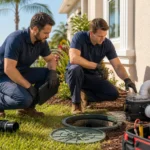
- Septic tank lids and drain fields for shifting or damage
- Yard drains and swales for blockages or standing water
If you see constant soggy spots that never dry out, or standing water on top of the septic drain field, that may signal a septic problem. Visible damage to backflow preventers or water treatment equipment, like tilted units or broken covers, is another warning sign.
Some issues demand an emergency plumber in Naples right away. These include:
- Sewage backing up inside the property
- Suspected gas leaks or strong gas smells
- Major water leaks or spraying pipes
- Septic systems that are not working at all
- Very low or no water pressure across the property
Local emergency plumbers understand Naples soil conditions, coastal flooding patterns, and regional plumbing code requirements. That local knowledge helps them find the real source of a problem and make repairs that are safe and compliant.
Turn Hurricane Season Into a Plumbing Readiness Win
Hurricane planning is not only about shutters, sandbags, and generators. Plumbing readiness belongs on the same checklist. When your drains are clear, key valves are working, and everyone knows the basic steps to take, you greatly cut the chances of major water or sewer damage during a storm.
The smartest time to act is before the peak of the season. A pre-storm inspection of your plumbing, drain, and septic systems lets you fix small issues while they are still small. That way, you are not trying to deal with hidden leaks or weak pipes while the rain is already pouring down.
For homeowners and business owners in Naples and the surrounding Southwest Florida communities, working with an experienced local emergency plumber can turn hurricane season into something more manageable. With a custom game plan, clear priorities, and year-round maintenance that fits our coastal conditions, you can head into each storm with more confidence in the systems you depend on every day.
Restore Your Home’s Plumbing With Fast, Reliable Help Today
When a pipe bursts or a drain backs up, every minute counts, and our team at A+ Plumbing Professionals is ready to respond 24/7. If you need an emergency plumber in Naples, we can quickly diagnose the issue and get your water flowing safely again. We focus on clear communication, upfront expectations, and lasting repairs so you can feel confident your home is protected. Reach out anytime and let us take the stress out of your plumbing emergency.