
Clean, Safe Water for Every Tap in Your Home
Water in Fort Myers and across Southwest Florida can be tough on homes. Hard water, iron staining, sulfur smells, and mineral buildup are all common issues that show up in showers, sinks, and on clean dishes. When you run water all day in a humid, sunny climate, those problems add up quickly in the form of scale, stains, and bad odors.
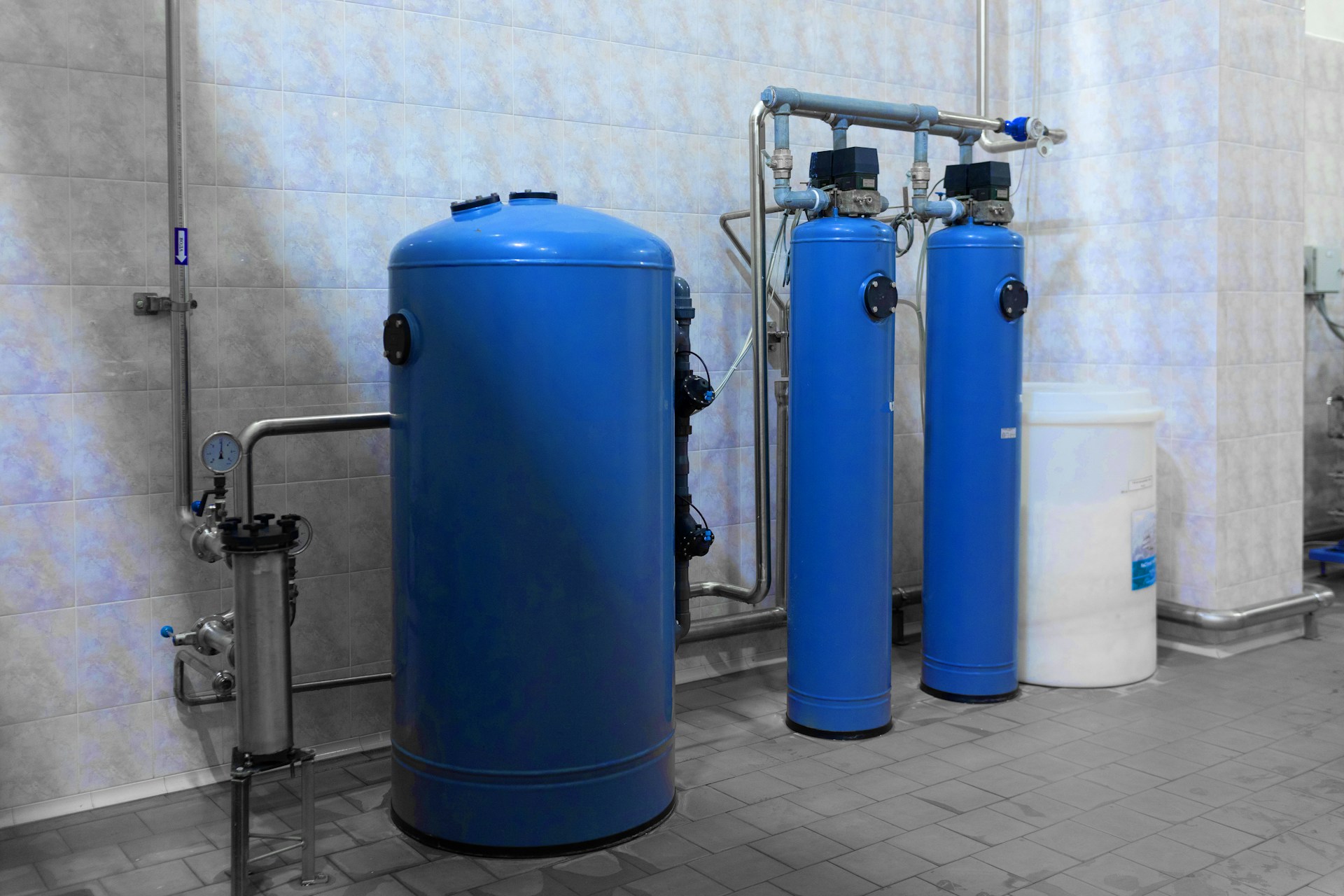
At A+ Plumbing Professionals, we look at your home’s water as a complete system, not just a single piece of equipment. A water treatment system is usually a combination of a softener, iron unit, sulfur unit, and filters that work together to solve specific problems. Many local homes are on private wells, while others are on city water, and each water source behaves differently. In this article, we will explain what softeners, iron units, and sulfur units do, why some homes need all three, and why salt is an important part of the picture.
How Water Softeners Work and Why They Matter
Hard water simply means water with higher levels of calcium and magnesium. Around Fort Myers, that shows up as spots on dishes and glassware, soap that will not lather well, dry or itchy skin, and stiff hair. Inside your plumbing, it becomes white or chalky scale on fixtures and inside pipes, water heaters, and appliances.
A water softener fixes that by trading hardness minerals for sodium or potassium. Water flows through a tank filled with resin beads. Those beads grab the calcium and magnesium and release a tiny amount of sodium or potassium in return. Over time, the resin fills up with hardness and needs to be cleaned. That is where salt comes in. The softener pulls salty water, called brine, from a separate tank and runs it through the resin to rinse away the hardness and recharge the beads. This process is called regeneration.
The benefits are easy to feel and see. Softer water can help:
- Extend the life of plumbing and fixtures
- Keep water heaters and appliances from scaling up
- Reduce the amount of soap, shampoo, and detergent you need
- Leave skin, hair, and shower walls feeling cleaner
However, a softener alone is not a cure-all. When iron levels are more than just a trace, or when sulfur odors are strong, a standard softener will struggle. That is why many water treatment systems in Fort Myers pair softeners with iron and sulfur units to handle those specific issues.
Iron Units Stop Orange Stains and Metallic Taste
Iron in water often comes from the local soil and rock that the water passes through, or from corrosion in older pipes. In your home, it shows up as orange or rusty stains in toilets, tubs, showers, sinks, and on laundry. You might also notice a metallic taste when you drink from the tap or make tea and coffee.
An iron unit is designed to target that iron before it stains everything in sight. While designs vary, the basic job is the same:
- Oxidize dissolved iron so it changes into tiny solid particles
- Trap those particles in a special filter media inside the tank
- Periodically backwash, which reverses the flow to wash iron and sediment down the drain
Some homes need an iron unit and some do not, even in the same street. There are a few reasons:
- Well water often has higher and more variable iron levels than city water
- Iron content can change from one neighborhood to the next, and even from one house to the one next door
- Standard softeners can handle only very low iron levels before the resin clogs and the softener is damaged
If the iron level is above that very low range, an iron filter is the safer, longer-lasting solution. The only real way to know is with a professional water test that shows how much iron is present and what type of iron you have. That information tells us whether you need an iron unit and what size and style will actually fix the problem.
Sulfur Units Getting Rid of Rotten-Egg Odors
That classic rotten-egg smell in well water usually comes from hydrogen sulfide gas or other sulfur compounds. Around Southwest Florida, it is especially noticeable when you turn on a hot shower or run a sink that has not been used for a while. Even if the water is technically safe, it can taste and smell awful.
Sulfur units are built to deal with those odors at the source. In general, a sulfur system will:
- Expose the water to air or another oxidizing process so the hydrogen sulfide gas changes form
- Use special filter media to catch the oxidized sulfur and hold it in the tank
- Backwash on a schedule to flush the trapped material out and refresh the media
Living with sulfur odors means dealing with complaints from guests, kids who do not want to drink tap water, and an overall feeling that your water is not clean. A standard water softener is not meant to remove sulfur gas, so it usually does not get rid of the smell in any reliable way. That is why many water treatment systems in Fort Myers that are installed on wells include a dedicated sulfur unit alongside the softener and, when needed, an iron unit.
Why Some Homes Need More Treatment Than Others
Every home’s water is a little different, even if you are only a few houses apart. Well depth, the source aquifer, older plumbing, and whether the home uses city or private well water all affect what is coming out of your taps. That is why some people battle orange stains and strong smells while their neighbor only deals with hard water.
Here are some common setups we see:
- City water homes often benefit from a softener to handle hardness, plus sometimes a whole-home filter for taste and sediment, but usually do not need separate iron or sulfur units.
- Well water homes may need only a softener if hardness is the main concern and iron and sulfur are low.
- Other wells need a softener plus an iron unit to stop staining.
- In some cases, a home requires a softener, iron unit, and sulfur unit working together.
A professional water analysis guides those decisions. When we test your water, we can recommend what you actually need instead of guessing or buying equipment that will not solve your specific issue. At A+ Plumbing Professionals, we design and install customized water treatment systems in Fort Myers and nearby communities based on the conditions we see every day in local water.
Why Salt Matters and How to Use It Correctly
Salt is a key part of how a traditional water softener works. It does not soften the water directly. Instead, salt pellets or crystals dissolve in the brine tank to create a strong salt solution. During regeneration, the softener pulls this brine through the resin tank to rinse off calcium and magnesium and restore the resin’s ability to soften water.
Only a small amount of sodium typically ends up in the softened water. For most households, this is not a concern, but anyone on a strict low-sodium diet can ask about alternatives like potassium chloride. What matters most for dependable performance is using salt correctly. Homeowners should:
- Keep salt in the brine tank above the water line as recommended
- Use the type of salt the equipment calls for, usually pellets or a specific grade
- Watch for salt bridges, where a hard crust forms that keeps salt from dissolving
- Schedule routine maintenance to check settings and resin condition
Iron and sulfur units rely on their own specific media or chemical processes. Following professional maintenance advice for each part of your system keeps everything working together so you get clear, pleasant water from every tap.
Take Control of Your Home’s Water Quality
To pull it all together, each piece of your water treatment system has a specific job. Softeners handle hardness and scale. Iron units stop orange stains and metallic taste. Sulfur units tackle rotten-egg odors. Not every home in the Fort Myers area needs every unit, and some homes need more treatment than others. The difference comes down to what is actually in your water.
If you are seeing stains, smelling odors, tasting metal, or fighting constant spots and buildup, those are signs worth paying attention to. The best next step is a proper water test instead of trial and error with random equipment. With the right combination of water treatment systems in Fort Myers homes and businesses, you can enjoy cleaner, better-tasting water at every tap and protect your plumbing for the long term.
Get Started With Your Project Today
If you are ready for cleaner, better-tasting water in your home, we are here to help you choose the right solution. Our team at A+ Plumbing Professionals can assess your water quality and recommend the best water treatment systems in Fort Myers for your needs and budget. We handle everything from evaluation to installation so you can feel confident about every drop from your taps. Reach out today to schedule your appointment and take the next step toward healthier water.