
Hurricane-Proofing Your Water System in Southwest Florida
Hurricanes do not just threaten roofs and trees in Southwest Florida; they also put your water supply at risk. Power failures, storm surge, and flooding can knock out well pumps, contaminate water, and leave you scrambling for safe drinking water when you need it most. Preparing your well, pump, and treatment equipment ahead of time gives you a big advantage when storms roll through.
In this article, we share practical steps to keep water flowing and as safe as possible before, during, and after severe weather. We will walk through how hurricanes affect wells and treatment systems, easy ways to stabilize outdoor equipment, what happens when softeners and sulfur units flip over, and how to get water when you only have a generator. As a local plumbing and well service provider, we see these problems up close, and our goal is to help you prevent damage and know when it is time to call for professional well pump repair in Fort Myers and nearby communities.
Why Hurricanes Threaten Wells, Pumps, and Water Treatment
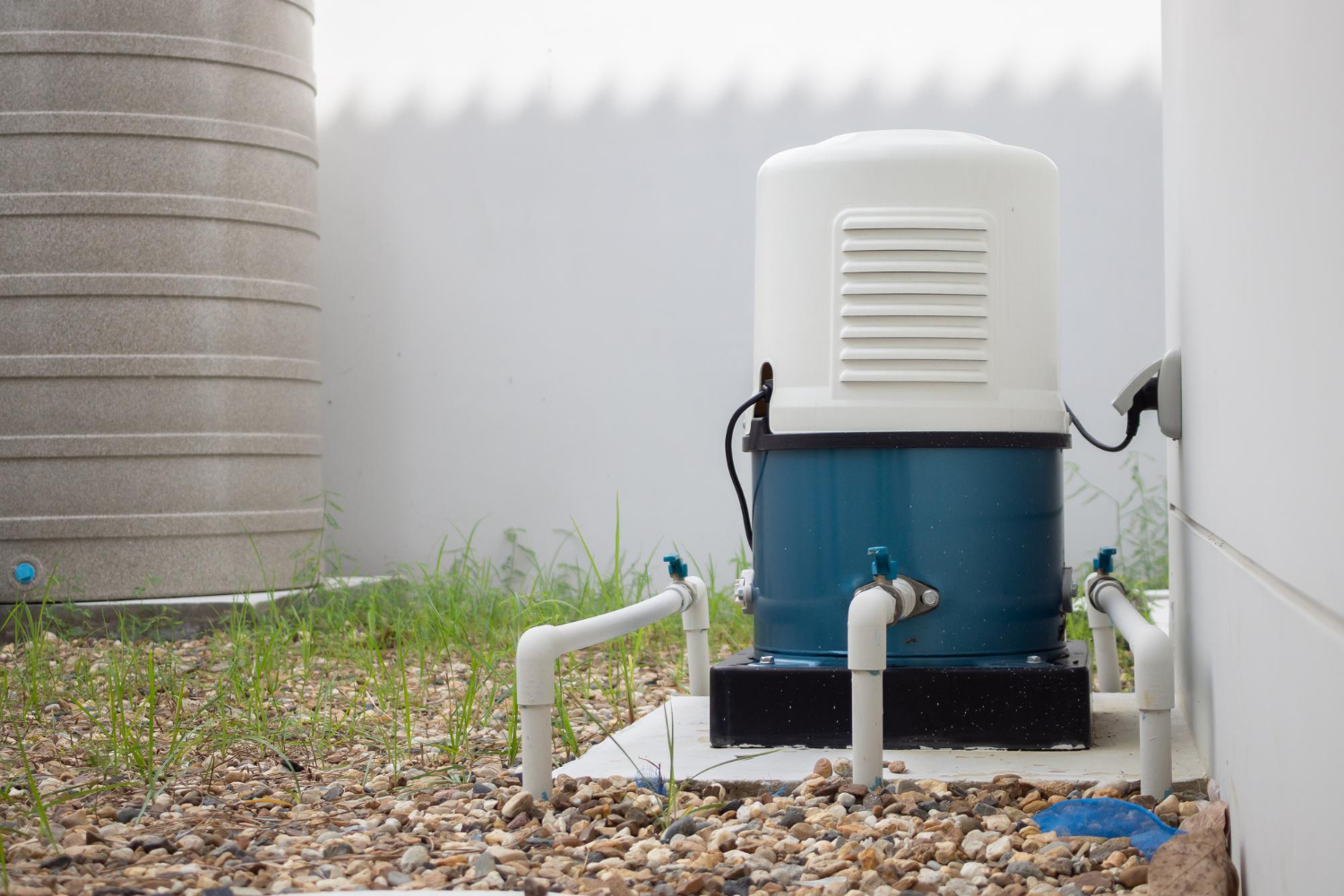
Hurricanes bring intense wind that can topple or shift outdoor water equipment. If a softener, sulfur filter, or aeration tank is not secured, strong gusts can tip it over or blow debris into it. That can crack tanks, snap exposed PVC pipes, or jam control valves. Even if the unit stays upright, repeated rocking can weaken fittings and create slow leaks that show up later.
Flooding is another major threat. Rising water can carry bacteria, chemicals, and sediment that seep into unsealed well caps, loose lids on aerators, or brine tanks that are not taped or strapped shut. Grit and debris can work their way into pumps, clogging impellers and damaging control components. Standing water around a wellhead can also increase the risk of contamination and corrosion.
Then there is the power issue. Most wells in our area rely on electric pumps. When the grid goes down, the pump stops, and you are left with only whatever water is stored in your pressure tank and plumbing lines. Once that is used, toilets stop refilling, showers sputter, and faucets run dry. Understanding how your pressure tank works and what to expect in an outage is important when you are planning for hurricane season.
Securing Your Well, Softener, and Sulfur System Before a Storm
Before a storm, focus on keeping your equipment stable and sealed. Start by looking at every piece of outdoor water equipment you have, including:
- Wellheads and above-ground piping
- Water softeners and sulfur systems
- Aeration tanks and control boxes
- Brine tanks and any exposed filters
Tie-down strategies can make a big difference. For exposed piping and wellheads, use UV-resistant straps or heavy-duty ties to secure pipes to nearby posts or walls, and make sure the well cap is tightened. For taller tanks, consider strapping them to sturdy posts or anchors sunk in concrete so high winds are less likely to move them.
Lids are often the weak point. Brine tanks, aerator tanks, and solution tanks commonly have lids that can pop off in strong wind. Use strong tape or ratchet straps to hold lids firmly in place. Tape should go across the lid in several directions, not just a single strip. This step helps keep wind-driven rain and debris from getting inside.
It is also smart to know how to shut off water to nonessential areas. You might:
- Turn off water to outside hose bibs
- Close valves feeding irrigation tie-ins
- Bypass the softener if you suspect it might be at risk of damage
Shutting these down can limit flooding inside the home if something breaks. Before hurricane season, many homeowners in Fort Myers choose to have a pre-storm inspection for well pump repair in Fort Myers and general system checks. A professional can inspect connections, seals, tank pads, and control settings and suggest upgrades for better stability.
Protecting Softeners and Sulfur Units From Damage
Water softeners and sulfur units are especially vulnerable when they flip or get knocked over. Inside a softener tank, there is resin that removes hardness. In sulfur units, there may be specialized media that helps remove odor and staining. When a unit falls, that media can spill into the plumbing, compact at the bottom of the tank, or mix with other materials, which makes the system far less effective.
Control valves and heads are another fragile part. A flipped unit can crack plastic housings, pull loose wiring, and break drain lines. Brine tanks can crack or their fittings can snap, letting salty water leak out and corrode nearby metal or electrical parts. Even if everything looks mostly intact, internal damage can leave the system stuck in a single cycle or unable to clean itself.
After a storm, you might notice performance issues such as:
- Water that still feels hard or leaves spots
- Persistent sulfur smell that does not go away
- New staining in sinks, tubs, or toilets
These can be signs that the system is no longer backwashing or regenerating properly, or that control valves were knocked out of alignment. To reduce storm damage ahead of time, keep units on solid, level pads. If a professional recommends it for your specific system, slightly lowering water levels in certain tanks can reduce sloshing and stress. Secure control heads with protective covers or shields where practical, and if you are not confident the system will stay upright, it can be safer to temporarily bypass it before the storm and have a professional bring it back online afterward.
Getting Water When You Only Have a Generator
If the power goes out, a generator can be a lifeline for your well pump, but it must be used carefully. First, find out the electrical requirements of your pump and control box. The generator must be rated to handle that load, along with any other circuits you plan to run. Overloading a generator can damage both the generator and your pump.
Always use proper transfer switches or professionally installed connections. Backfeeding power through improvised cords is dangerous for you and for utility workers. When in doubt, keep it simple and run only the pump and a few essential circuits.
It helps to think in terms of a minimal water strategy. Focus on:
- Drinking and cooking water
- Basic hand washing and hygiene
- Limited toilet flushing
Use stored water in jugs, tubs, and the existing pressure tank before starting the generator. Once you run the pump, fill containers and then shut the generator down to save fuel and reduce wear. For toilets, a quick bucket flush poured directly into the bowl is often enough. Hand sanitizer and disinfecting wipes can stretch your water supply during longer outages.
Flooding raises water quality concerns. If floodwater has been near your well, it is safest to assume the water may be contaminated until it has been tested or your system has been sanitized. Boiling water or using approved disinfection methods can reduce risk. If your treatment system is running on generator power, confirm it is cycling properly and not stuck in a backwash or regeneration mode. If water quality seems off or the well pump does not respond normally, it is time to call for emergency plumbing help or well pump repair in Fort Myers to restore safe, reliable water.
Post-Storm Inspection and Long-Term Planning
Once conditions are safe, start with simple visual checks. Walk around your property and look for:
- Flipped or leaning softeners, sulfur units, and pressure tanks
- Broken or leaking pipes and fittings
- Missing or loose lids on aerators and brine tanks
- Standing water or erosion around the wellhead
Inside the home, pay attention to unusual noises from the pump or treatment units, low or pulsing water pressure, discolored water, or air spurting from faucets. These can all signal damage that needs attention before you fully return the system to regular use.
There are also things you should not try to fix on your own. Avoid opening electrical panels, splicing wires, or resetting complex controls without training. Do not stand in water near any electrical equipment. If water looks, smells, or tastes wrong, do not drink it until it has been cleared or treated. DIY well pump repairs can easily create bigger problems, so it is safer to have a licensed expert handle electrical, pump, and internal valve work.
Looking ahead, a hurricane-ready water plan is one of the best tools you can have. Write down how much water your household should store, where shutoff valves are located, and basic rules for generator use. A preseason plumbing and well inspection can help identify weak points, confirm that tanks are properly anchored, and review which components you should shut off or bypass before a storm. With thoughtful preparation and the help of local plumbing professionals when you need it, you can ride out hurricane season with far more confidence in your water system.
Protect Your Water Supply With Fast, Reliable Service Today
If your water pressure has dropped or your well system is acting up, we are ready to diagnose the problem and restore your water quickly. At A+ Plumbing Professionals, our licensed technicians provide expert well pump repair in Fort Myers tailored to your home’s needs. We focus on long-term fixes, clear communication, and upfront pricing so you know exactly what to expect. Reach out today to schedule service and get your well system back to dependable performance.