
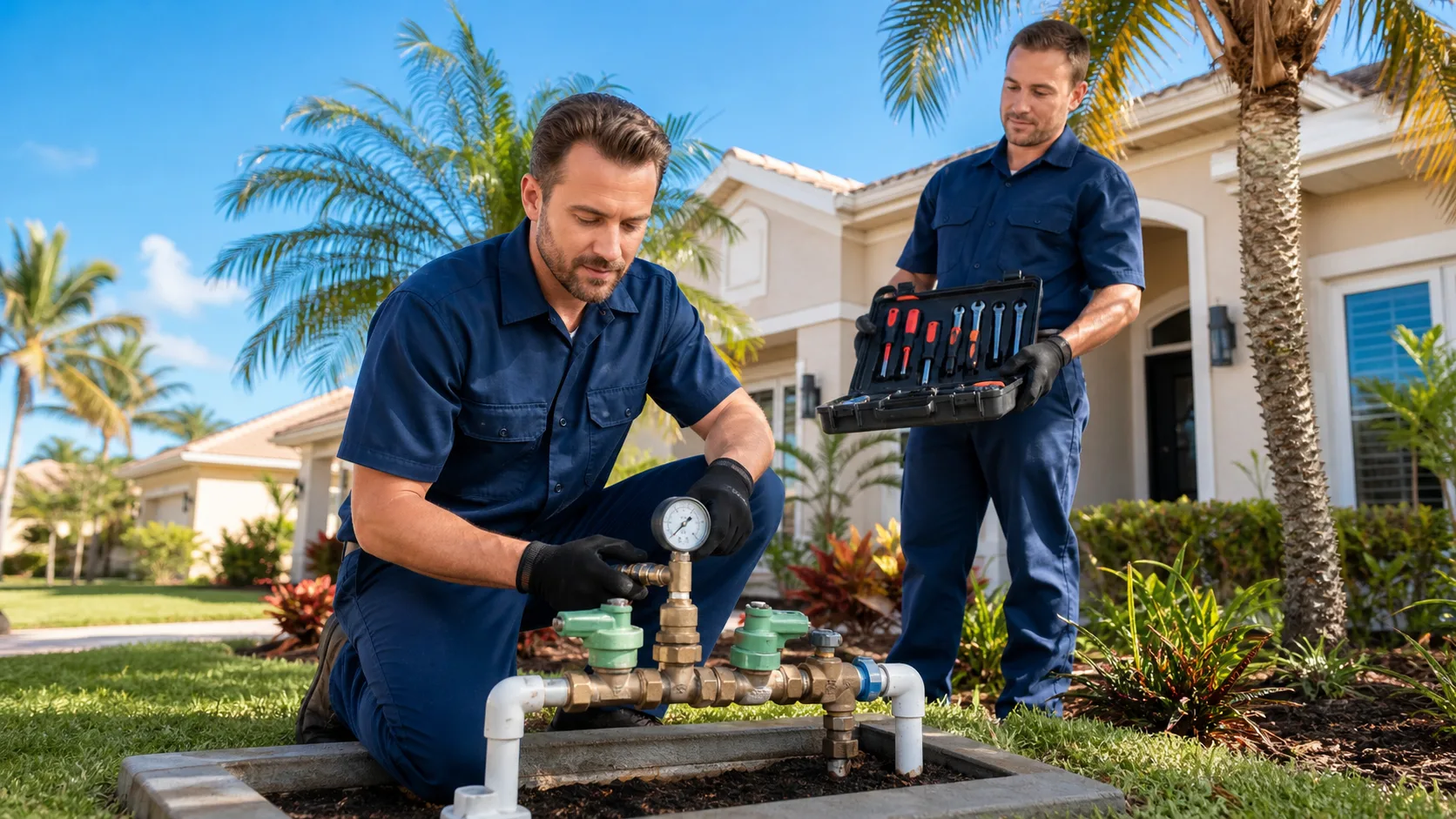
Backflow prevention helps keep contaminated water from moving backward into the clean water supply. If water pressure changes, water from an irrigation system, pool line, commercial fixture, or other connection can flow in the wrong direction. That is why it is important to know whether your backflow assembly needs routine testing or an actual repair.
For Cape Coral homeowners, property managers, and business owners, the choice often comes down to one simple question: Is the device working as it should? Testing answers that question. Repair addresses a confirmed problem. At A+ Plumbing Professionals, we believe clear answers and timely service help you avoid water quality concerns, property requirements, and larger plumbing troubles later.
Protect Your Water Before a Small Issue Grows
A backflow assembly is designed to stop used or non-potable water from entering your drinking water lines. It may sit near an irrigation connection, commercial plumbing system, pool equipment, or another area where separate water sources meet. Although it may not get much attention during the year, this device plays an important role in protecting your plumbing system.
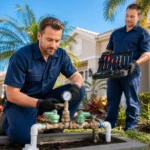
Backflow testing in Cape Coral is a smart starting point when you are unsure about the condition of your assembly. A test tells us whether the device is doing its job at the time of inspection. If it passes, you have useful confirmation that the internal parts are working properly. If it fails, we can look closer and determine whether repair or replacement makes sense.
November is also a practical time to review irrigation-related plumbing. Holiday travel, seasonal visitors, and busy year-end schedules can make maintenance easy to put off. Reviewing your backflow protection before regular landscape watering becomes a bigger part of your routine can help you spot concerns early.
Know What Backflow Testing Reveals
Testing is a diagnostic service, not a guess based on what the device looks like from the outside. During a professional inspection, we check the backflow prevention assembly to see whether its internal components and pressure zones are operating as intended.
Depending on the type of assembly, a test may help identify concerns involving:
- Internal check valves that are not sealing properly
- Worn seals or rubber components
- Springs or other moving parts that are no longer responding correctly
- Pressure changes within the assembly
- Connections that may be leaking or showing signs of wear
A passing test generally means the device was functioning properly during the inspection. It does not mean the assembly will never need attention again, which is why regular testing and good service records matter.
Several situations can make testing especially important. You may receive a notice from a water provider, property manager, homeowners association, or commercial facility representative. Testing may also be needed after a new irrigation installation, a change to commercial plumbing, recent repairs, or a long period without inspection. We recommend reviewing any notices you receive carefully so you understand the applicable deadline and documentation request.
Most importantly, a failed test does not automatically mean you need a new backflow assembly. The result gives us a clear place to begin. In many cases, we can identify one specific part or pressure issue that explains the failure.
Recognize When Repair Becomes Necessary
Repair is usually the right conversation after a failed test or when there are visible signs that the assembly is not in good condition. Leaking connections, corrosion, damaged parts, unusual pressure concerns near the device, and obvious physical damage all deserve professional attention.
Still, a backflow device can have an internal problem without dripping or looking damaged. That is one reason backflow testing in Cape Coral matters. A professional test can uncover issues hidden inside the assembly, such as a check valve that is not closing, a worn rubber part, a damaged spring, or an imbalance in pressure.
When we inspect a failed assembly, we explain what we found in plain language. The next decision should be based on the condition of the device, the availability of proper replacement parts, and whether repair is a sensible long-term choice.
During a repair visit, you can expect us to focus on:
- Inspecting the assembly and related connections
- Identifying the likely cause of the failed result
- Reviewing whether the needed parts can be replaced
- Explaining when replacement may be a better option
- Discussing the need for follow-up testing after repairs
Keeping records is helpful, especially if you manage a commercial property, oversee several buildings, or maintain an irrigation system. Past test results and repair notes can make it easier to see whether a device has developed repeated issues over time.
Plan Around Seasonal Water Use
Cape Coral stays active year-round, and November can be a good time to look ahead at property maintenance before holiday plans and end-of-year responsibilities fill the calendar. Irrigation systems often need attention as lawns and landscapes continue to receive regular care, and those systems are a common reason backflow protection is needed.
Pressure changes in a plumbing system can create conditions for water to move backward. Irrigation lines, pool equipment, commercial landscaping, fire protection systems, and other cross-connections may create added concern when they connect near potable water plumbing.
For managed properties, this is a useful time to review maintenance calendars and prior service records. If a recent test passed, you can keep that documentation organized. If the assembly failed before and was repaired, a follow-up test may be needed to confirm that it is working correctly. Taking care of questions early is often easier than discovering a problem during a busy holiday period or after a compliance notice arrives.
Choose a Qualified Local Professional
Backflow assemblies are not all the same, and the surrounding plumbing can differ greatly from one property to the next. We recommend working with a plumbing professional who understands residential and commercial plumbing, irrigation connections, water treatment equipment, and the service needs common throughout Southwest Florida.
Before service takes place, it is reasonable to ask practical questions. A knowledgeable provider should be willing to explain what the test includes, what a failed result means, and what repair options may be available. If reporting or documentation is required, ask whether the provider is familiar with the process for your water provider, property manager, or facility representative.
Clear communication matters just as much as the inspection itself. You should understand whether the assembly passed, what part failed if it did not pass, and whether repair or replacement is being recommended for a specific reason. Honest recommendations help you make decisions based on the actual condition of your plumbing rather than assumptions.
Keep Backflow Decisions Simple
The best next step depends on what the assembly is doing right now. Testing confirms whether it is operating properly. Repair addresses a documented defect. Replacement may make sense when the device is severely damaged, too worn to restore reliably, or no longer a practical candidate for repair.
Rather than waiting for a leak, notice, or irrigation issue to force the decision, keep your records current and have the assembly checked when it is due. A clear test result gives you a better understanding of your property’s water protection and helps you address problems before they grow.
Protect Your Water Supply With Expert Help
For dependable backflow testing in Cape Coral, turn to A+ Plumbing Professionals for professional service tailored to your property. We can help evaluate your assembly’s condition and recommend the appropriate next step. Get the clarity you need to keep your water system protected.