
Protect Your Cape Coral Yard While Fixing Sewer Lines
Sewer problems are never fun, and they feel even worse when you are worried about your yard. Many Cape Coral homeowners see more sewer trouble in summer because of heavy rains, a high water table, and more people using bathrooms and kitchens in vacation homes. Small issues can grow fast when the ground is wet and the system is under stress.
When a sewer line needs to be replaced, the big fear is that the fix will destroy lawns, driveways, or even areas around a pool. That does not have to happen. With the right plan and the right methods, you can repair or replace pipes while keeping your property looking good. As local plumbers familiar with Florida soils, roots, and drainage, we focus on long-term pipe performance and smart yard protection at the same time.
How Cape Coral Soil and Weather Impact Sewer Lines
Our Gulf Coast soil is different from many other places. It is sandy, it shifts easily, and it sits over very high groundwater. That mix can be tough on older sewer lines, especially clay, cast iron, or older fiber pipes like Orangeburg.
Here is what happens over time:
- Sandy soil washes away or settles, which can make pipes sag or crack
- High groundwater can push against pipes and force water into small weak spots
- Tree roots follow moisture and sneak into tiny pipe joints and gaps
Then summer storms arrive. Downpours and hurricane season can turn a minor defect into a big mess. Extra water in the ground and in the sewer system can lead to:
- Backups into tubs, showers, and floor drains
- Soft or sinking spots in the yard
- Strong sewer odors outside, especially near cleanouts or low spots
Some warning signs in Cape Coral and sewer line replacement that you should never ignore include:
- Soggy patches in the lawn that do not dry out between rains
- Slow drains throughout the house, not just in one sink
- Gurgling toilets when other fixtures are used
- Recurring clogs right after storms or when more guests are in the home
These are early hints that the main sewer line might be broken, clogged, or sagging underground.
Comparing Digging and Trenchless Sewer Replacement
There are two main ways to replace a sewer line: traditional excavation or trenchless methods. Both can work well in Southwest Florida, but they affect your yard in different ways.
Traditional excavation means:
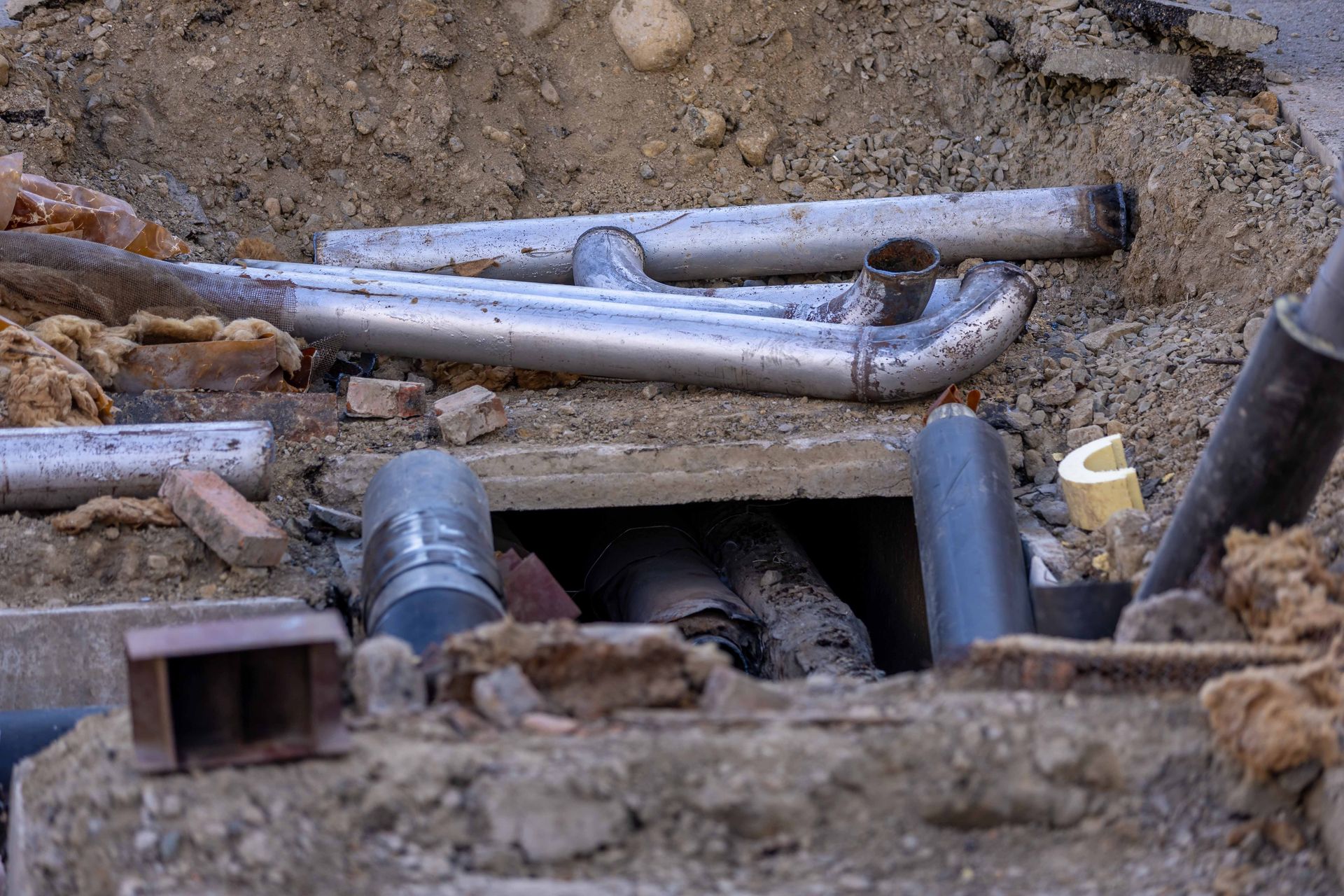
- Digging a long trench along the path of the pipe
- Removing soil and cutting through grass, plants, or hard surfaces
- Possibly affecting irrigation lines, landscape lighting, and pavers
This method gives open access to the pipe and is sometimes the best choice when:
- The pipe is completely collapsed in several places
- There are many tight bends or unusual fittings
- The line is shallow and easy to reach with equipment
Trenchless sewer replacement uses small access holes instead of a full trench. Two common options are pipe bursting and pipe lining.
- Pipe bursting pulls a new pipe through the old one and breaks the old pipe apart as it goes
- Pipe lining inserts a liner inside the old pipe and cures it into a new smooth surface
Trenchless methods are often a smart pick when:
- The pipe runs under grass you want to save
- The line passes under driveways, walkways, patios, or near a pool
- The yard is well landscaped with trees and beds you want to protect
For many homes and businesses, we look at:
- The condition and material of the existing pipe
- The depth and route of the line
- How close it runs to trees, roots, or structures
- The layout and access of the property
This helps us choose the method that solves the problem with the least impact to your yard.
Smart Yard-Saving Decisions Before Work Begins
Protecting your property starts long before the first shovel hits the ground. Careful planning can cut down on digging and help focus work only where it is needed.
A few key steps that make a big difference are:
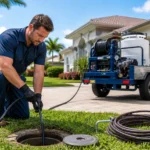
- Video camera inspection to see inside the pipe and find exact damage
- Sewer line mapping to trace the route through your yard
- Locating cleanouts, septic or lift stations, and other connections
Knowing what is underground helps avoid tearing up healthy parts of the yard. It also helps spot irrigation pipes, power lines for landscape lighting, and root-heavy areas.
Planning around these things allows for:
- Smarter access points for trenchless work
- Shorter trenches if digging is needed
- Fewer surprises like broken sprinklers or cut cables
For sewer line replacement in Cape Coral, it is also important to work with a licensed local plumber who understands:
- City and county permit rules
- Utility marking procedures
- HOA or community rules about working hours and restoration
That local know-how keeps the job smoother from start to finish.
Protecting Landscaping During and After Sewer Work
Once work starts, small details can mean the difference between a rough construction zone and a well-managed project. We focus on keeping the area organized and respectful of your property.
Some steps that help protect yards include:
- Using plywood paths for machines so they do not chew up grass
- Carefully removing sod in sections so it can be put back later
- Setting up clean staging areas for soil and pipe materials
- Keeping driveways swept and walkways clear at the end of each day
Homeowners can help too by:
- Marking favorite plants or beds that need extra care
- Moving potted plants and yard decor out of the work path
- Talking ahead of time about pavers, decorative rock, or edging
When the new sewer line is in place, the yard still needs time to recover. The ground that was opened up is often packed down and can settle.
After work, it helps to:
- Loosen lightly compacted soil in planting areas so roots can breathe
- Follow a re-sodding or re-seeding plan that matches local grass types
- Check the irrigation system for leaks, broken heads, or blocked lines
During hot June weather and the rest of the summer, careful watering and avoiding heavy traffic on repaired areas can help the lawn and plants bounce back faster.
Future-Proofing Your Sewer Line Through Florida Storms
When you replace a sewer line, it is a great chance to set things up to handle future storms better. The goal is simple: fewer emergencies, less digging, and less stress for your yard.
Some helpful upgrades to talk about include:
- Corrosion-resistant pipes that hold up in wet sandy soil
- Correct pipe slope so waste flows smoothly and does not sit and build up
- Backwater valves in the right situations to help reduce the risk of backups
- Rerouting lines away from big tree roots when possible
Seasonal maintenance also plays a big role. Before peak storm and hurricane months, it is smart to:
- Have drains and main lines cleaned if there are early signs of buildup
- Check cleanouts so they are easy to access in an emergency
- Watch for new low spots, cracks, or wet areas in the yard that could show settlement or small leaks
A little planning can keep minor sewer issues from turning into big digs, across your lawn. When sewer line replacement in Cape Coral is done with long-term thinking, it protects both your yard and your home over time.
Get Started With Your Project Today
If you are noticing slow drains, recurring backups, or soggy spots in your yard, now is the right time to talk with A+ Plumbing Professionals about reliable solutions. Our experienced team can assess your system, explain your options, and handle every step of your sewer line replacement in Cape Coral with care and precision. Reach out today so we can schedule an inspection, answer your questions, and help protect your home from costly future damage.