
Protect Your Naples Home with Smart Septic Care
Septic pumping in Naples is not just another chore on a long home to-do list. As late May rolls in, water use around your home usually goes up. Kids are home more, friends visit, guests stay longer, and the rainy season starts to kick in. Your yard gets soggy faster, and your septic system has to handle all that extra water. If the tank is already full or stressed, this is when problems like backups and bad smells tend to show up.
Your septic system quietly handles every shower, flush, and load of laundry. It protects your home, your property value, and your family’s health by keeping wastewater where it belongs and letting it safely soak into the ground. In this post, we will walk through how septic systems work in our part of Southwest Florida, how often they usually need pumping, the warning signs to watch for, and how smart prep before the rainy months can save you from a messy surprise.
How Septic Systems Work in Coastal Southwest Florida
A septic system is simple in theory. All the wastewater from your sinks, showers, toilets, and washing machine flows through one main pipe out of your home into a buried tank. Inside that tank, the water settles into three layers:
- Heavy solids sink to the bottom and form sludge
- Oils and grease float to the top and form a scum layer
- The clearer liquid in the middle flows out to the drain field
From there, that middle layer moves through pipes into the drain field in your yard. The soil around those pipes helps filter and clean the water before it reaches the groundwater.
In coastal Southwest Florida, including the Naples area, our soil and groundwater create special stress on septic systems. We often have:
- Sandy soils that let water move quickly
- A high water table, so groundwater sits closer to the surface
- Strong afternoon showers and long rainy stretches
When the ground is already soaked, your drain field has a harder time soaking up even more water from the septic tank. The system can get overloaded faster, and water may rise to the surface or push back toward the house. If a system is neglected, this can lead to foul odors, standing water in the yard, and a higher chance that wastewater mixes with groundwater, which is bad for health and the environment, especially in tighter Naples neighborhoods.
Do You Really Need Septic Pumping in Naples This Year?
Most septic tanks need pumping every 3 to 5 years. That is the general rule for average use. But here in Naples, many homes do not fit the idea of “average use.” Our local habits and conditions can shorten that timeline, like:
- Frequent guests or extended family staying for weeks
- Heavy garbage disposal use that sends more solids into the tank
- Backwashing a pool near the drain field
- Irrigation systems or hose water flowing across the drain field area
If your home sees any of these, you might need septic pumping in Naples sooner than you think.
Some clear warning signs it is time to schedule pumping include:
- Slow drains in more than one sink or shower
- Toilets that gurgle or bubble when you flush or run water
- Sewage or rotten egg smells outside, especially near the tank or drain field
- Wet, spongy, or very green patches of grass over the drain field
There are also a few common myths that can get homeowners into trouble. One is that septic additives replace pumping. Additives might break down some material, but they do not remove the solid layer that builds up in the tank. Another myth is, “If the drains are working, the tank is fine.” Tanks can be overfull or failing long before you see a full backup inside. Waiting for a major problem often leads to bigger repairs and more damage.
Seasonal Septic Prep Before Southwest Florida’s Rainy Months
Late May is a smart time to think about your septic system. The days are longer, summer trips are starting, and afternoon storms are more common. Heavy rain can soak the drain field and push a neglected or near-full tank over the edge.
To get your system ready for the wettest months:
- Plan septic pumping before the heaviest rainy stretch if you are due
- Fix leaky toilets and dripping faucets so your tank is not constantly filling
- Spread laundry loads over several days instead of doing many back-to-back
- Direct roof downspouts and yard runoff away from the drain field area
Many homes and condos in Naples also see more summer guests and short-term vacation rentals. That means more showers, more flushes, and more dishwashing, all in a short window of time. If the tank is already close to full, that surge in use can cause backups during holidays, family visits, or during a big storm when you least want trouble.
What to Expect During Professional Septic Pumping Service
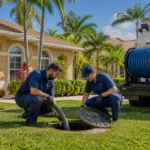
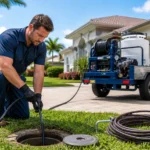
If you have never watched a septic pumping visit, it can seem a little mysterious. In reality, a good visit is planned, organized, and respectful of your property. A typical service from a plumbing and septic team goes like this:
- Locate the tank and access points
- Safely open the tank lid or lids
- Pump out both liquids and solids with a vacuum truck
- Visually check the inside of the tank, including baffles and other key parts
During this process, trained technicians look for signs of damage, such as cracks, broken baffles, or early hints of drain field trouble. They may notice if roots are starting to intrude into the system or if the tank is taking flow as it should. Finding these small issues early usually means simpler, less stressful fixes.
Homeowners often worry about how long pumping will take and whether their yard will be disturbed. A well-planned visit aims to protect landscaping, manage odors, and keep noise and disruption as low as possible. When the job is done, you should have clear information, such as the condition of your tank, any concerns the technician saw, a recommended pumping schedule for your home, and simple care tips to keep the system running smoothly.
Choosing the Right Septic Partner in Naples
Septic systems are tied closely to local rules and local land. That is why it helps to work with a licensed, insured local plumber who understands the soils, groundwater, and plumbing codes in Lee and Collier Counties. A knowledgeable team can spot issues that are common in our area and help you avoid problems that are specific to coastal Southwest Florida.
A strong septic partner will often offer more than just pumping. For example, a full-service plumbing company can help with:
- Residential and commercial plumbing needs
- Drain cleaning and blockage clearing
- Septic system inspections
- Repairs to pipes, fixtures, and related parts
When you are comparing providers, some smart questions to ask include:
- How do you explain your services and what is included?
- How do you handle and dispose of the waste you pump?
- What does your inspection process cover during a normal pumping visit?
- Will you give me a clear maintenance plan based on my home or business use?
At A+ Plumbing Professionals, we base our answers on real experience with plumbing, drains, and septic systems across Fort Myers, Naples, and the wider Southwest Florida area. We are used to working with both homes and businesses, handling urgent plumbing problems, and supporting long-term system care so you can feel confident about what is happening underground.
Protect Your Home With Reliable Septic Service Today
If you are noticing slow drains, odors, or it has been a while since your last service, now is the right time to schedule professional septic pumping in Naples. At A+ Plumbing Professionals, we use proven methods and reliable equipment to clean your system thoroughly and help prevent costly backups or damage. We take the time to explain what we find, answer your questions, and recommend the right maintenance schedule for your property. Reach out today to book an appointment and keep your septic system running smoothly and safely.