

Backflow is not a plumbing problem you can see right away. There is no loud noise, no flood on the floor, and sometimes no smell at all. But in a single pressure change, dirty water from your yard, pool, or irrigation system can move toward the water your family drinks and uses every day.
Here in Cape Coral, summer storms, heavy rain, and water use all put extra stress on local systems. When pressure in the water lines drops suddenly, water can flow the wrong way and drag contaminants with it. In this article, we explain what backflow is, how it happens in Southwest Florida homes, why it matters for your health and property, and how professional backflow prevention in Cape Coral helps keep your water safe.
Keep Contaminated Water Out of Your Cape Coral Home
On a stormy afternoon, it is common for the power to flicker or for pressure to dip when many people are using water at once. That quick drop can pull water backward inside plumbing lines. If there is a connection point between clean water and dirty water, you can end up with contaminated water reaching your taps.
Backflow is the unwanted reverse flow of water. Instead of fresh water moving into your home, water from hoses, sprinklers, pools, or other sources can be pulled or pushed back into the clean supply. When that water carries lawn chemicals, bacteria, or debris, it becomes a serious health risk.
Professional backflow prevention is not just a good idea. In our area, many homes and businesses are required to have approved devices and testing. With our long, hot summers and frequent storms, local water systems need that extra layer of protection so your drinking water stays safe.
How Backflow Happens in Southwest Florida Homes
Backflow happens in two main ways: back-siphonage and backpressure.
- Back-siphonage: Pressure in the main water line drops, and like sipping through a straw, water gets pulled backward toward the low-pressure area.
- Backpressure: A pump or closed system in your home or yard has higher pressure than the public water line, so it pushes water in the wrong direction.
In Cape Coral, many everyday setups can create what plumbers call cross-connections, places where clean and dirty water can meet. Some common examples are:
- Lawn sprinkler systems, especially when connected to pumps or drawing from canals or wells
- Hose bibs used with fertilizer or pesticide sprayers
- Pool fill lines that are hard-piped without proper separation
- Irrigation pumps that tie into house plumbing or city water
Local conditions can make these risks worse. Heavy summer rains can flood yards and valve boxes, leaving standing water around pipes. Hurricane season can bring:
- Temporary water shutoffs
- Power outages that affect pumps
- Quick shifts in demand when service comes back
All of these can change pressure in the system and make backflow more likely if proper protection is not in place.
Why Backflow Prevention Matters in Cape Coral
When backflow happens, it is not just about a little dirt in the water. Contaminants can include:
- Lawn and garden chemicals
- Bacteria and other germs from standing water
- Pool chemicals like chlorine and stabilizers
- Wastewater contaminants if there are septic issues nearby
These can enter your home’s plumbing or, in some cases, move toward the public water supply. That is why local rules require certain properties and irrigation setups to have tested backflow prevention devices. These standards help protect not only your house, but also your neighbors and the wider community.
Good backflow prevention also supports the long-term value of your property. When your plumbing and irrigation systems are well planned, code compliant, and documented, it can:
- Reassure future buyers during inspections
- Help satisfy insurance and lender requirements
- Reduce the risk of surprise repair notes or failed inspections
In a coastal city like Cape Coral, where many people care about water quality and outdoor spaces, knowing your water is protected is a real comfort.
Key Backflow Devices That Protect Your Property
There are several types of backflow prevention devices, each designed for different levels of risk. Some of the most common ones are:
- Hose bib vacuum breakers: Small devices that attach to outside spigots and stop water from being sucked back through a garden hose.
- Pressure vacuum breakers: Often used on irrigation systems, they keep water flowing in one direction and protect against back-siphonage.
- Double-check valve assemblies: Two check valves in a row, used in lower to moderate risk settings to keep water moving one way.
- Reduced pressure zone (RPZ) assemblies: Higher-level devices that can protect against both back-siphonage and backpressure in higher risk situations.
In Cape Coral homes and businesses, these devices are typically installed:
- On irrigation and sprinkler lines near where they branch off from the main supply
- On fire lines for commercial and multi-unit properties
- At key points where there is a known cross-connection risk
Picking the right device depends on the type of property, what the system connects to, and what local codes require. That is why professional selection and installation are so important. The wrong device in the wrong place can give a false sense of security.
Professional Backflow Testing and Maintenance Steps
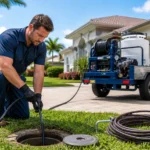
Backflow devices are only helpful if they work the way they are supposed to. That is where professional testing and maintenance come in. During a typical backflow test, a licensed plumber will:
- Shut off and isolate the device from the system
- Attach specialized test gauges and fittings
- Check each valve to see if it opens, closes, and seals properly
- Record readings and confirm that everything meets local standards
- Provide documentation that you can keep for your records or submit if required
Annual testing is important, especially before the peak of summer storm and hurricane season. Heat, humidity, and constant use can wear out parts over time. Small bits of sand, debris, or mineral buildup can also affect how valves seal.
If a device fails the test, a professional can repair, replace, or recalibrate it. This keeps your protection reliable and helps your property in Cape Coral or the surrounding Southwest Florida area stay in line with local rules.
When to Call A+ Plumbing Professionals
There are a few clear signs that it is time to bring in a licensed plumber to look at your backflow protection. For example:
- Discolored, cloudy, or odd-tasting water from your taps
- Sudden changes in water pressure around your home
- Recent changes to your irrigation, pool, or plumbing layout
- Notices from the city or water provider about required backflow testing
It is also smart to be proactive. Many homeowners and property managers plan backflow service before late June, ahead of the heart of the rainy season. This timing helps reduce the chance of surprise problems when storms and high water use put pressure on the system.
When you call A+ Plumbing Professionals, we can look over your plumbing and irrigation layout, talk about where your risks are, and recommend the right backflow solutions for your property. We handle testing, repairs, and replacements, and we can help keep track of when your next test is due so your protection stays up to date.
Protect Your Water Supply With Expert Backflow Prevention Today
If you are ready to safeguard your home or business, our team at A+ Plumbing Professionals is here to help with reliable backflow prevention in Cape Coral. We will assess your system, recommend the right protection, and handle all installation or testing with care. Reach out today so we can schedule a convenient appointment and keep your drinking water safe and compliant.